29 Sep XPS analysis of zwitterion polymer brushes: discrepancies, degradation and methodological considerations Back to Sci. Publications

AUTHORS
J. Svoboda, R. Sivkova, D. Fernando Dorado Daza, A. de los Santos Pereira and Ognen Pop-Georgievski
JOURNAL
Applied Surface Science, 722, 165479
DATE
15th March 2026
PRODUCTS
ABSTRACT
Cerium oxide nanoparticles have been shown to mimic oxidoreductase enzymes by catalyzing the decomposition of organic substrates and reactive oxygen species. This mimicry can be found in superoxide radicals and hydrogen peroxides, harmful molecules produced in oxidative stress asso-ciated diseases. Despite the fact that nanoparticle functionalization is mandatory in the context of nanomedicine, the influence of polymer coatings on their enzyme-like catalytic activity is poorly understood. In this work, six polymer coated cerium oxide nanoparticles are prepared by associa-tion of 7.8 nm cerium oxide cores with two poly(sodium acrylate) and four poly(ethylene glycol) (PEG) grafted copolymers with different terminal or anchoring end groups, such as phosphonic acids. The superoxide dismutase-, catalase-, peroxidase- and oxidase-like catalytic activities of the coated nanoparticles were systematically studied. It is shown that the polymer coatings do not af-fect the superoxide dismutase-like, impair the catalase-like and oxidase-like and surprisingly im-proves peroxidase-like catalytic activities of cerium oxide nanoparticles. It is also demonstrated that the particles coated with the PEG-grafted copolymers perform better than the poly(acrylic acid) coated ones as oxidoreductase-like enzymes, a result that confirms the benefit of having phosphon-ic acids as anchoring groups at the particle surface.
KEYWORDS
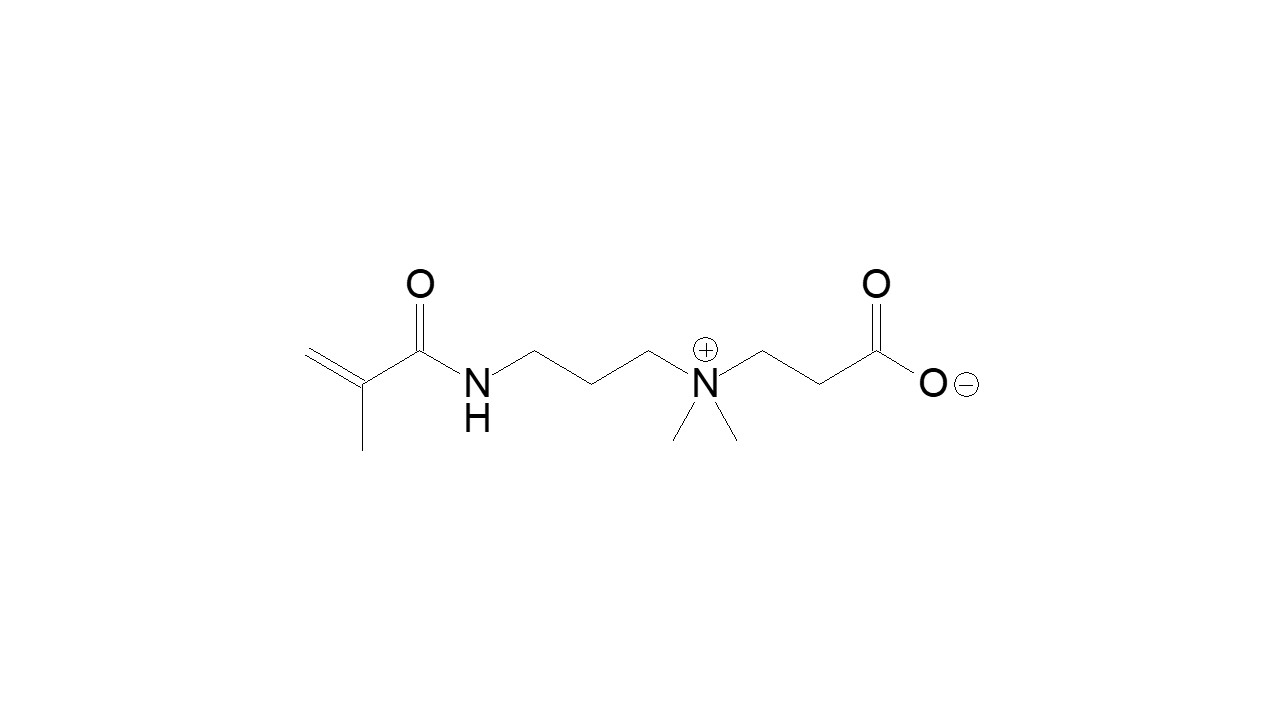
X-ray photoelectron spectroscopy, Polycarboxybetaine brushes, Polymer degradation, Surface analysis, Polymer thin films, Zwitterionic coatings